

Dementia Care at Home Strategies
Empowering Your Loved Ones: Superior Dementia Care at Home Strategies
Understanding Dementia Care at Home
Taking on dementia care at home for a loved one is a journey filled with ups and downs. It’s meaningful, yet it demands patience and understanding. Let’s take a look at the vital role of home care and the hurdles we might come across.
Why Dementia Care at Home Matters
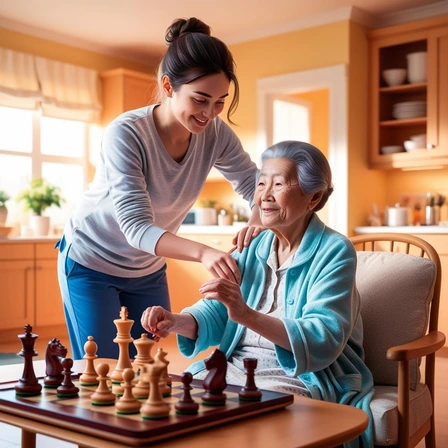
Keeping folks with dementia in their own homes can do wonders for their spirit and mind. Studies hint that familiar surroundings keep alive feelings of independence and dignity. Plus, being around familiar faces can fill emotional gaps and stave off loneliness.
| What Home Care Offers | What It Means |
|---|---|
| Familiar Surroundings | Keeps anxiety at bay with known places and faces. |
| Love & Support | Being around family boosts emotional strength. |
| Customised Care | Allows care tailored to personal needs and quirks. |
Challenges of Dementia Care at Home
Yes, the perks of home care are plenty, but we’ve got hurdles, too. From puzzling behaviour to scouring for the right support and ensuring safety, it can be quite the ride.
| Hurdles We Face | What to Watch Out For |
|---|---|
| Behaviour Changes | Confusion, mood swings, or withdrawal might occur. |
| Limited Access to Help | Not knowing about all the support services around. |
| Safety Worries | Home changes needed to avoid mishaps. |
| Caregiver Burnout | The emotional and physical toll of daily care. |
By recognising these challenges, we’re better equipped to offer kind-hearted, effective support to our family members living with dementia.
Setting Up a Caring Space
Making a comfortable home for folks dealing with dementia? Priority number one: crafting a safe, cosy nest where they feel at ease. With familiar schedules and friendly activities, we can really boost home-based dementia care.
Planning Out a Safe and Snug Home
Picking the right house style can work wonders for people with dementia’s comfort and safety. Here’s what to keep your eyes on:
| Element | What It Does |
|---|---|
| Open Paths | Keep halls and rooms tidy so there’s less tripping over things. |
| Bright Lighting | Use clear, steady lights—no spooky shadows or mixed signals. |
| Grippy Floors | Choose surfaces that grab the feet to cut back on slips. |
| Simple Style | Skip the jazzy patterns to avoid adding confusion. |
| Handy Contacts | Pin up a list of important numbers where everyone can see them. |
Adding these features makes it easier for them to move around safely and feel more at ease in their home.
Figuring Out a Familiar Routine
Routine they’re a lifesaver. They comfort and ground a person with dementia. A good routine packed with engaging bits can soothe nerves. Here are some ideas:
| Time Slot | What to Do |
|---|---|
| Morning | Whip up breakfast as a team; do a bit of light stretching. |
| Afternoon | Go for a little outdoor stroll; lend a hand with simple chores. |
| Evening | Dive into a book or sway to some tunes; try some chill-out exercises. |
| Weekly | Carve out time for hobbies; throw a family game night. |
Sticking to favourite routines and nudging them into doing things keeps them connected to what’s familiar and steady. These approaches aren’t just about keeping them mentally active; they’re about lifting spirits and ensuring they feel good inside.
Dementia Care at Home Strategies
Communication Strategies
Solid communication is like a magic bridge in caring for someone with dementia at home. By using the right tricks and reading those unspoken signals, we can improve our chats with folks living with dementia.
Effective Communication Techniques
When it’s time to chat with a loved one dealing with dementia, these pointers help clear the way for understanding and connection:
| Technique | Description |
|---|---|
| Speak Clearly and Slowly | Keep it simple with easy sentences. Say each word clearly to help them understand. |
| Use Their Name | Kick things off with their name. It grabs their attention and gets them into the convo. |
| Limit Distractions | Turn down the noise and remove distractions to keep things calm when talking. |
| Ask Yes or No Questions | Make it easy with questions that have a simple “yes” or “no” answer. |
| Be Patient | Give them time to think and reply. No rush, no interruptions. |
Understanding Nonverbal Cues and Emotions
Those silent signals mean a lot when chatting, especially with dementia in the mix. Here’s what to keep an eye on:
| Cue | Meaning |
|---|---|
| Facial Expressions | Faces can show if someone’s happy, sad, or puzzled. |
| Body Language | How they’re sitting or moving can reveal comfort or distress. |
| Eye Contact | Locking eyes can mean they’re all in, while shifty eyes might hint they’re uneasy. |
| Touch | A gentle pat can mean “I’m here for you,” but remember everyone needs their own space. |
| Tone of Voice | The way you say it can sound warm and friendly or grumpy, changing how the message is taken. |
By using these tips and being mindful of unspoken signals, we can craft a supportive space that strengthens bonds and understanding in the dementia care of our loved ones at home.
Managing Behaviors
Taking care of loved ones with dementia at home can sometimes feel like dancing in a minefield, especially when it comes to managing behaviours like aggression and confusion. These challenges pop up frequently, but there are ways to tackle them, helping everyone involved find a little peace.
Dealing with Aggression and Confusion
Aggression and confusion aren’t just out of the blue—they stem from things like frustration, discomfort, or not quite getting what’s happening around them. Figuring out what’s setting them off can really help us respond better.
| Common Triggers | Potential Responses |
|---|---|
| Not noticing their needs | Keep communication open; check on their needs often. |
| Routine shake-ups | Stick to a daily routine to help them feel secure. |
| Too much going on | Simplify their space; lower noise and distractive sights. |
| Feeling uncomfy | Adjust things like the temperature or their clothing to keep them comfy. |
Spotting the triggers lets us nip aggression in the bud. When we stay calm in the storm, it can do wonders for their reactions, too.
Implementing Positive Reinforcement
Think of positive reinforcement as our secret weapon. It’s like giving high-fives for behaviours we want to see again. By recognising and rewarding these actions, we make them more appealing. Slowly but surely, this approach can lead to more cooperation and fewer hurdles.
| Behaviour | Positive Reinforcement Strategies |
|---|---|
| Tackling daily chores | Cheer them on with praise; use small rewards like stickers. |
| Joining in activities | Offer choices and cheer their involvement; celebrate their achievements. |
| Sticking to routines | Set up a reward system, like earning a sticker for each routine-following day. |
By focusing on what they do right and cheering them on, we set up a feel-good environment. This approach not only helps reduce meltdowns but also enhances dementia care at home. It’s about making sure our loved ones know they’re supported and understood, transforming care into a team effort.
Providing Personal Care
Taking care of personal needs is a huge part of looking after someone with dementia at home. It’s all about helping with day-to-day things and keeping up with hygiene. When we meet these needs, we’re not just helping out; we’re adding some joy and ease to our loved one’s life.
Assisting with Daily Activities
Daily tasks can be anything from dressing up to chowing down. We need a game plan here, helping out while still giving our folks space to do their own thing when they can. Here’s a quick look at common tasks and how much help might be needed:
| Daily Activity | How Much Help’s Needed |
|---|---|
| Getting dressed | A little to a fair bit |
| Cooking meals | A fair bit |
| Eating | Just a smidge |
| Taking a bath | A fair bit to a whole lot |
| Using the loo | A fair bit |
It’s all about figuring out what’s needed for each person and being ready with the right support. And remember, some days they might need more of a hand than other days.
Maintaining Personal Hygiene
Keeping clean isn’t just about looking good; it’s all about staying healthy. We should get into a groove with things like bathing, brushing teeth, and sprucing up. Here’s a run-down on keeping things tidy and how we can lend a hand:
| Personal Hygiene Task | How to Help Out |
|---|---|
| Bathing | Lend a hand, make it safe |
| Brushing teeth | Keep watch, step in if needed |
| Doing hair | Give a hand with brushing or styling |
| Clipping nails | Lend a hand with trimming |
| Skincare | Help with putting on lotions |
To keep things fresh, we’ve got to create a comfy setting that nudges good habits. We need to be cool, calm, and collected, treating our loved ones with respect and warmth while we’re at it. By honing in on these care tips, we’re helping our folks hold onto their sense of self and find some peace day by day.
Nutrition and Hydration
Getting the right food and drinks to our loved ones with dementia is real important. A good meal and plenty to drink can make a huge difference to their life.
Planning Nutritious Meals
Making meals for people with dementia means dishing up a mix of good stuff to match their needs. We’re talking about fruits, veggies, grains, lean meats, and those good fats. Don’t forget what they like or any other dietary issues they might have.
Here’s a handy table of some tasty options with their perks:
| Food Groups | Suggested Foods | Benefits |
|---|---|---|
| Fruits | Berries, Bananas | Packed with vitamins and fight off nasties |
| Vegetables | Leafy Greens, Carrots | Loaded with good stuff and fibre |
| Whole Grains | Oats, Quinoa | Boosts energy and lots of essentials |
| Lean Proteins | Chicken, Fish | Keeps muscles in shape and boosts immunity |
| Healthy Fats | Avocados, Nuts | Great for the heart and brain action |
Watching the Drinks
Drinks are as crucial as meals are. We’ve got to make sure they’re sipping enough to dodge dehydration. A bit parched? That can make dementia symptoms worse and cause confusion.
Use this simple table to keep track of what’s being drunk:
| Time of Day | Suggested Fluids | Amount (ml) |
|---|---|---|
| Morning | Water, Herbal Tea | 250 |
| Midday | Fruit Juice, Water | 250 |
| Afternoon | Water, Broth | 250 |
| Evening | Herbal Tea, Milk | 250 |
Keep those fluids coming! Mix it up to make drinking fun. Keep an eye out for dry mouth, tiredness, or confusion—dead giveaways for dehydration and step in fast.
When we get the food and drink balance right, it does wonders for the life quality of our dear ones dealing with dementia at home. Thoughtful meal planning and staying on top of hydration aren’t just tasks—they’re key to helping our loved ones stay healthy and feel good.
Seeking Outside Support
When we’re diving into the world of dementia care at home, let’s remember we’re not in it alone. Reaching out for some extra help can really boost the quality of care we provide. We’ll chat about tapping into local resources and maybe even checking out some professional care choices.
Checking Out Local Resources
There’s a bunch of local resources that are ready to help us look after people with dementia. They can offer practical tips, a shoulder to lean on, and useful info. We’ve put together a table below for a quick peek at what’s out there and what they bring to the table.
| Resource Type | What They Offer |
|---|---|
| Local Support Groups | Emotional support, shared stories |
| Helplines | Handy advice and info |
| Community Centres | Fun stuff and social hangouts |
| Dementia Associations | Learning materials, workshops |
| Volunteer Services | Friendly chats, home visits |
By linking up with these folks, we can pick up some priceless tips and back-up for ourselves and our dear ones.
Looking into Professional Care Options
If the demands of taking care of a loved one with dementia are starting to weigh on us, we gotta think about getting some professional help. These services offer a helping hand that’s just right for the individual’s needs. Here’s a handy table to break down the usual pro care services and what they’re all about.
| Care Service Type | What It’s All About |
|---|---|
| In-Home Care | Tailor-made care right at home |
| Respite Care | Time off for main caregivers |
| Adult Day Care | Daytime care with fun, supervised activities |
| Memory Care Facilities | Specially structured dementia care spots |
Reaching out for professional services means we can make sure our loved ones get what they need while we’re also looking after ourselves. By checking out these options, we can strike a balance that fits just right with our family’s needs.
Self-Care for Caregivers
Taking care of a loved one with dementia is like riding a rollercoaster full of ups and downs. While we’re busy helping them, it’s easy to forget about our own needs. To be the best carers we can be, we need to show ourselves some love too. Let’s chat about why self-care matters and how to handle the stress that comes with caregiving.
Importance of Self-Care
Self-care is like charging our batteries. When we’re topped up, we’re more able to support our loved ones. Having ways to step back and focus on ourselves can make everyone happier and healthier.
| Benefits of Self-Care | Description |
|---|---|
| Calms the Mind | Taking a breather helps drop those stress levels. |
| Builds Resilience | Keeps us strong so we can tackle what comes our way. |
| Lifts Our Spirits | Regular little treats for ourselves boost our mood. |
| Fuels Our Energy | Keeping healthy gives us the pep we need to care. |
Recognising and Managing Caregiver Stress
Spotting stress early can save us from a world of trouble not just for us, but for those we look after too. Stress in caregivers can pop up in many ways, like feeling worn out, upset, or acting differently.
| Signs of Caregiver Stress | Possible Impact |
|---|---|
| Tiredness | Struggling to give the care that’s needed. |
| Snappiness | May create a storm in our relationships. |
| Trouble Snoozing | Hurts our focus and choices during the day. |
| Feeling Swamped | Can spiral into burnout and pulling away from others. |
So what can we do to keep stress in check?
| Stress Management Strategies | Description |
|---|---|
| Stay Active | Moving helps shake off stress and cheer us up. |
| Practise Mindfulness | Simple techniques can calm the storm inside. |
| Join Support Circles | Chatting with others who’ve been there can be comforting. |
| Draw the Line | Knowing when to say “enough” stops us burning out. |
By giving some attention to self-care and bringing in stress-busting tactics, we’re setting the stage to care for our loved ones without letting our health take a back seat.
Highly Trained and Compassionate Staff
At Neva Care, we pride ourselves on assembling a team of skilled professionals dedicated to providing the best home care services. Our rigorous hiring process ensures we select individuals with both technical expertise and a compassionate approach.
Importance of Quality Home Care Services
Home is where the heart is, and where comfort reigns supreme. When life takes unexpected turns, the ability to stay in a familiar and supportive environment can make all the difference. Neva Care’s home care services are designed to provide exceptional care, ensuring your loved ones can continue to live freely and comfortably.

