

Dementia Home Care Services
Dementia Home Care Services: Providing Comfort and Assistance in Southampton
The Importance of Dementia Home Care
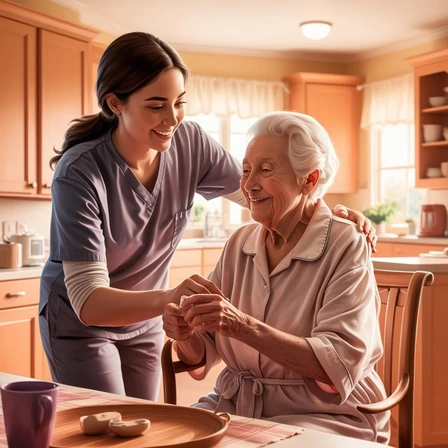
Dementia home care services play a crucial role in providing specialised support to individuals suffering from dementia. As the condition progresses, patients often require personalised attention to maintain their quality of life. The familiar environment of home can significantly reduce anxiety and confusion for dementia patients, promoting a sense of security and well-being.
Home care services ensure that individuals receive constant supervision and assistance with daily activities. This helps in mitigating risks associated with dementia, such as wandering and forgetting essential tasks. Family members also benefit, knowing that their loved ones are receiving professional care tailored to their specific needs.
How Dementia Home Care Services Can Help
Dementia home care services encompass a wide range of supportive measures designed to address the unique challenges faced by dementia patients. These services can be customised to suit the individual’s level of cognitive impairment and personal preferences.
- Daily Living Assistance: Professional caregivers help patients with routine tasks like bathing, dressing, and eating, which can become increasingly challenging as dementia progresses.
- Medication Management: Ensuring that patients take their medications correctly and on time is essential for managing symptoms and preventing complications.
- Emotional Support: Caregivers provide companionship, helping to alleviate feelings of isolation and depression that are common among dementia patients.
- Safety Monitoring: Continuous supervision helps prevent accidents and ensures that the home environment remains safe.
For more details on how home care services can be tailored to different needs, you can explore our articles on home care services for elderly and home care services for disabled.
| Service Type | Description |
|---|---|
| Daily Living Assistance | Help with bathing, dressing, feeding, and other daily tasks. |
| Medication Management | Ensuring correct and timely intake of medications. |
| Emotional Support | Providing companionship and addressing emotional well-being. |
| Safety Monitoring | Continuous supervision to prevent accidents and maintain safety. |
Understanding these aspects of dementia home care services can aid family members in making informed decisions about their loved ones’ care. This specialised care ensures that dementia patients can maintain a better quality of life in the comfort of their own homes. For additional information on comprehensive care options, refer to our guide on live-in home care services.
Assessing the Needs of Individuals with Dementia
Accurately assessing the needs of individuals with dementia is vital to providing effective and compassionate home care services. Each patient requires a unique approach tailored to their specific needs.
Tailoring Care Plans
Creating a tailored care plan involves understanding the specific requirements of each dementia patient. These plans should be comprehensive, encompassing medical, emotional, and daily living needs. Assessing a patient’s condition helps caregivers develop a customised plan tailored to their individual circumstances.
| Aspect | Consideration | Example |
|---|---|---|
| Medical Needs | Medication schedules, doctor’s appointments | Weekly doctor visit, daily medication reminders |
| Emotional Well-being | Mental stimulation, companionship | Daily walks, engaging conversations |
| Daily Living Activities | Assistance with personal hygiene, meal preparation | Help with bathing, nutritional meal plans |
Tailored care plans not only address immediate needs but also consider long-term care goals. Regular reviews and updates ensure the plan remains relevant as the patient’s condition evolves.
For more information on comprehensive care at home, see our article on home care services for elderly.
Personalised Support for Dementia Patients
Personalised support is essential for meeting the unique needs of individuals with dementia. This support involves creating a safe and supportive environment that enhances overall well-being.
| Support Type | Description | Benefits |
|---|---|---|
| Physical Support | Assistance with mobility, personal hygiene | Improved safety, reduced risk of falls |
| Emotional Support | Companionship, reassurance | Decreased feelings of isolation, increased mental health |
| Cognitive Support | Mental exercises, routine establishment | Enhanced cognitive function, reduced anxiety |
Effective personalised support includes collaboration between caregivers, family members, and healthcare providers. Communication ensures all parties are aware of the patient’s needs and progress.
Leveraging specialised dementia home care services can make a significant difference in the quality of life for individuals with dementia. For more insight into specific services available, explore our page on live-in home care services.
Understanding and addressing the diverse needs of dementia patients underpins the success of home care services. This holistic approach ensures that each patient receives the appropriate level of care and support necessary to thrive in their home environment.
Specialized Care for Dementia Patients
Dementia-Friendly Environment
Creating a dementia-friendly environment is essential for providing effective and compassionate dementia home care services. A well-designed environment can significantly enhance the quality of life for individuals with dementia by reducing confusion and anxiety.
Key features of a dementia-friendly environment include:
- Clear Signage: Labels and signs that are easy to read and understand can help patients navigate their surroundings.
- Minimized Clutter: Simplifying the living space reduces the risk of falls and helps patients feel calm.
- Consistent Layout: Keeping furniture and essential items in the same place to provide a sense of stability.
- Adequate Lighting: Ensuring that rooms are well-lit to avoid shadows, which can cause confusion.
| Feature | Benefit |
|---|---|
| Clear Signage | Enhances navigation |
| Minimized Clutter | Reduces fall risk |
| Consistent Layout | Provides stability |
| Adequate Lighting | Prevents confusion |
Trained Caregivers for Dementia Care
Trained caregivers play a crucial role in delivering specialised care for individuals with dementia. These professionals possess the skills and knowledge necessary to manage the unique challenges associated with dementia.
Essential skills of a trained caregiver include:
- Communication Techniques: Using simple and clear language to facilitate understanding.
- Behavioral Management: Implementing strategies to handle agitation and mood swings effectively.
- Personal Care Assistance: Helping with grooming, toileting, and feeding while maintaining dignity and independence.
- Medication Administration: Managing and administering medications correctly to ensure proper treatment.
| Skill | Importance |
|---|---|
| Communication Techniques | Facilitates understanding |
| Behavioral Management | Manages agitation and mood swings |
| Personal Care Assistance | Maintains dignity and independence |
| Medication Administration | Ensures proper treatment |
Training programs for caregivers often cover a wide range of topics, including:
- Understanding dementia and its progression
- Techniques for engaging and comforting patients
- Safety measures to prevent accidents and injuries
For more information on related care types, explore our articles on palliative care services at home and live-in home care services.
By focusing on creating a supportive environment and employing trained caregivers, dementia home care services can offer the necessary support and comfort to individuals with dementia and their families. For further insights, you can also read our article on home care services for elderly.
Services Offered by Dementia Home Care
Dementia home care services provide comprehensive support tailored to the unique needs of individuals with dementia. Understanding and addressing these needs are crucial to offering high-quality care. Here is a closer look at the services provided.
Assistance with Daily Activities
Dementia can make everyday tasks challenging. Home care services offer assistance with daily activities, ensuring that individuals maintain their dignity and independence. These activities include:
- Dressing
- Bathing
- Grooming
- Meal preparation
- Mobility support
Such assistance helps dementia patients live comfortably in their own homes.
| Daily Activity | Support Provided |
|---|---|
| Dressing | Assistance with putting on clothes, choosing appropriate attire |
| Bathing | Help with showering or bathing safely |
| Grooming | Support with brushing teeth, shaving, hair care |
| Meal preparation | Cooking balanced meals, dietary supervision |
| Mobility support | Walking support, transferring between locations |
Medication Management
Effective medication management is essential for those with dementia. Care providers ensure that medications are taken correctly and on schedule. Services include:
- Organising medications
- Administering prescriptions
- Monitoring for side effects
- Reminding patients to take their medication
Proper medication management can prevent complications and improve overall health outcomes.
Emotional Support and Companionship
Emotional well-being is just as important as physical health. Dementia home care services offer emotional support and companionship to enhance the quality of life for dementia patients. This includes:
- Providing conversation and companionship
- Engaging in activities like reading, puzzles, or walks
- Offering emotional support during difficult times
- Ensuring social interaction to reduce feelings of isolation
These services help create a supportive and caring environment for individuals with dementia.
The comprehensive nature of dementia home care services ensures that patients receive the necessary support to live with dignity and comfort. For more information on different types of home care services, visit our sections on palliative care services at home, live-in home care services, and home care services for elderly.
Benefits of Dementia Home Care Services
Dementia home care services offer numerous benefits, ensuring that individuals with dementia can receive the support they need in the comfort of their own homes. Here, we focus on two key benefits: the comfort and familiarity of the home environment, and the continuity of care and routine.
Comfort and Familiarity of Home Environment
One of the primary benefits of dementia home care services is the ability for patients to remain in their own homes. The familiarity of the home environment plays a significant role in reducing agitation and confusion, which are common symptoms among dementia patients. Being surrounded by their personal belongings, family photos, and familiar scents can provide a sense of security and stability.
| Aspect | Home Care | Facility Care |
|---|---|---|
| Environment | Familiar and comfortable | New and unfamiliar |
| Personal Belongings | Access to all | Limited access |
| Daily Routine | Customizable | Standardized |
The comfort and familiarity of home also mean that elderly individuals can maintain their existing routines and lifestyle to a greater extent. This is especially important for those who have established a strong connection with their home and their local community in Southampton. For more information on maintaining comfort in home care settings, visit our article on palliative care services at home.
Dementia Home Care Services
Continuity of Care and Routine
Continuity of care is another significant benefit provided by dementia home care services. Patients with dementia often thrive on routine, and disruptions can cause distress. Home care allows for a consistent and personalised care plan, tailored to the unique needs and preferences of the individual.
Caregivers can establish a regular schedule that includes assistance with daily activities, meal times, medication management, and recreational activities. This regularity fosters a sense of normalcy, helping to mitigate the symptoms of dementia.
| Factor | Home Care | Facility Care |
|---|---|---|
| Care Consistency | High | Varies |
| Routine Customization | High | Low |
| One-to-One Attention | High | Limited |
Care continuity also extends to the emotional support and companionship provided by caregivers. Building a trusting relationship with a consistent caregiver can significantly improve the emotional well-being of someone with dementia. To explore more about the role of caregivers, see our section on live-in home care services.
These benefits illustrate why dementia home care services are an invaluable resource for families seeking to provide the best possible care for their loved ones. By ensuring comfort, familiarity, and continuity, these services help enhance the quality of life for individuals with dementia. For further reading on providing home care for the elderly, check out our article on home care services for elderly.
Finding the Right Dementia Home Care Provider
Selecting an appropriate dementia home care provider is crucial for ensuring your loved one receives the best possible care. The following sections outline the steps to research home care agencies and assess the quality of care and services provided.
Researching Home Care Agencies
When researching home care agencies, it’s important to gather comprehensive information about their services, caregivers, and reputation. This process can include:
- Checking agency credentials and licensing
- Reviewing feedback from other families and clients
- Examining the range of services offered
- Inquiring about their experience with dementia care
| Criteria | Details |
|---|---|
| Credentials and Licensing | Ensure the agency is licensed and accredited in Southampton. |
| Client Reviews | Look for reviews and testimonials from families with similar needs. |
| Services Offered | Verify if the agency provides specialized dementia care services. |
| Experience | Ask how long the agency and its caregivers have been providing dementia care. |
Assessing Quality of Care and Services provided
Quality of care is paramount when selecting a dementia home care provider. Several factors should be evaluated:
- The level of training and qualifications of the caregivers
- The availability of personalised care plans
- The types of support and activities available
- The overall approach to maintaining a dementia-friendly environment
| Quality Aspect | Evaluation Criteria |
|---|---|
| Caregiver Training | Check if caregivers are trained specifically in dementia care. |
| Personalised Care Plans | Ensure care plans are tailored to the individual’s needs. |
| Support and Activities | Look for services that include daily activities and emotional support. |
| Dementia-Friendly Environment | Confirm that the care environment is safe and conducive for dementia patients. |
For families in Southampton, finding the right provider involves meticulous research and evaluation. It’s crucial to strike a balance between the comfort of the home environment and the professional care required. Learn more about related services such as palliative care services at home and live-in home care services to further explore options.

