
Live-In Home Care Services
Unlock Quality Care: Exploring Live-In Home Care Services Options
What is Live-In Home Care?
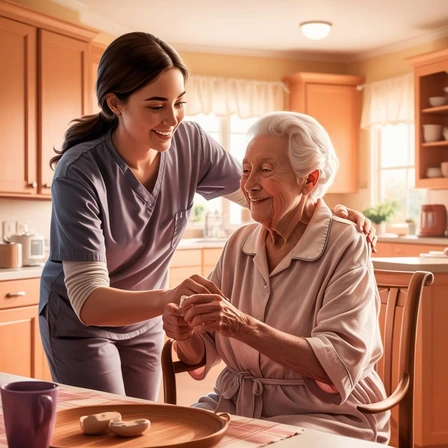
Live-in home care involves a professional caregiver residing in the home of an elderly or disabled individual to provide continuous and comprehensive care. This type of care ensures that the individual receives the necessary support and companionship around the clock. Live-in caregivers assist with a variety of tasks, including personal care, meal preparation, medication management, and general housekeeping.
Live-in care is designed to improve the quality of life for those who require extended care and wish to remain in the comfort of their own homes. It’s an alternative to moving into a residential care facility, allowing for a more familiar and personalised environment. For more information on caring for individuals at home, check out our article on home care services for disabled.

Why Choose Live-In Home Care Services?
There are several compelling reasons why families in Southampton may opt for live-in home care services for their elderly loved ones.
- Personalized Care and Companionship: Live-in caregivers offer one-on-one attention and tailored care plans that cater to the specific needs and preferences of the individual. This level of personalised care can significantly improve the well-being and comfort of the care recipient.
- Peace of Mind for Families: Knowing that a professional caregiver is present 24/7 provides families with peace of mind. They can be assured that their loved ones are receiving consistent and attentive care, reducing the stress and worry often associated with eldercare.
- Continuity of Care: Unlike rotational shift care, live-in home care ensures continuity, which is particularly beneficial for individuals with conditions like dementia or those needing palliative care services at home. The consistency of having the same caregiver fosters trust and a stronger caregiver-care recipient relationship.
- Cost-effectiveness: While the cost of live-in care might seem high at first glance, it can be more affordable compared to multiple part-time caregivers or the expenses related to residential facilities. Families need to consider their budget when evaluating care options.
- Maintaining Independence: Live-in care allows individuals to remain in their own home, maintaining a degree of independence and familiarity with their surroundings. This can be particularly crucial for their mental and emotional health.
For family members seeking comprehensive care solutions, live-in home care can be an excellent choice. To explore further into the various options available, including specific needs like dementia home care services, it’s essential to thoroughly understand the benefits and logistics of live-in care.
Benefits of Live-In Home Care
Selecting live-in home care services for elderly family members can provide significant advantages, assuring both the individual receiving care and their loved ones.
Personalized Care and Companionship
Live-in home care offers tailored care and companionship. Caregivers can adapt to the specific needs of the elderly, providing a customised routine and personal attention that might not be possible in a nursing home setting. This personalised approach promotes a sense of independence and dignity for those receiving care. Additionally, the companionship provided by a live-in caregiver helps alleviate feelings of loneliness and isolation, contributing to the overall well-being of the elderly individual.
| Service | Personalization Level |
|---|---|
| Residential Care Home | Standardised |
| Live-In Home Care | High |
For more insights on tailored care options, visit our article on home care services for elderly.
Peace of Mind for Families
Families can experience peace of mind knowing that their loved ones are receiving continuous and attentive care. Live-in caregivers are available around the clock, ready to address any needs or emergencies that may arise. This constant care offers reassurance to families who may not be able to be physically present due to other commitments or geographical distance. The assurance of knowing a professional is available at all times can significantly reduce stress and anxiety for family members.
| Aspect | Live-In Home Care | Other Care Services |
|---|---|---|
| 24/7 Availability | Yes | Varies |
| Emergency Response | Immediate | Dependent on Service |
For detailed information on peace of mind benefits, see our article on home care services for disabled.
Continuity of Care
One of the critical benefits of live-in home care is the continuity of care provided by a consistent caregiver. Having the same caregiver allows for the development of a trusting relationship, which is essential for effective and compassionate care. This consistency ensures that the caregiver becomes familiar with the elderly individual’s habits, preferences, and health conditions, leading to more effective and attentive care. Continuity also minimises the need for the elderly person to adjust to new faces frequently, reducing stress and disruption in their daily routine.
| Care Type | Caregiver Consistency |
|---|---|
| Live-In Home Care | High |
| Rota-Based Care | Low |
For more on the importance of continuity, explore our article on dementia home care services.
By understanding these benefits, families can make informed decisions when exploring live-in home care services. This personalised, constant, and consistent care can significantly improve the quality of life for elderly loved ones, ensuring they receive the compassion and attention they deserve.
Types of Live-In Home Care Services
When exploring live-in home care services, it’s essential to understand the different types available. This knowledge can help ensure that your loved ones receive the most appropriate and effective care.
Basic Care Services
Basic care services encompass a range of essential daily activities that aid with overall well-being and independence. These services include:
- Assistance with personal hygiene, such as bathing and grooming
- Help with mobility and transferring (e.g., moving from bed to chair)
- Meal preparation and feeding support
- Medication reminders and administration
- Light housekeeping and laundry
- Companionship and social interaction
The aim of basic care services is to offer support with everyday tasks that might be challenging for the elderly or those with disabilities. These services ensure that the individual’s daily needs are met, promoting safety and comfort at home. For more details on services tailored for older adults, visit our article on home care services for elderly.
Specialized Care Services
Specialized care services cater to individuals with specific medical conditions or unique care requirements. These services are more personalised and generally require caregivers with particular training or qualifications. Examples include:
- Dementia and Alzheimer’s care, which focuses on safety and cognitive stimulation. Learn more at our dementia home care services article.
- Palliative care, which aims to provide relief from the symptoms and stress of serious illness. For more information on palliative support, visit our palliative care services at home.
- Post-operative care, helping individuals recover after surgery
- Support for chronic conditions like diabetes or heart disease
Specialized care services are crucial for managing specific health conditions and ensuring that your loved one receives the appropriate care tailored to their needs.
Additional Services Available
Beyond basic and specialised care, various additional services can be offered to enhance the quality of life for those receiving live-in home care. These include:
- Physical therapy and rehabilitation exercises
- Mental wellness and emotional support
- Occupational therapy to improve daily living skills
- Social and recreational activities to maintain a sense of community and engagement
- Respite care to provide temporary relief for family caregivers
These additional services are designed to provide a comprehensive and holistic approach to care, ensuring that all aspects of the individual’s well-being are addressed.
Understanding the different types of live-in home care services can be instrumental in making an informed decision. Assessing the care needs of your loved one and matching them with the right services is crucial for their overall health and happiness at home.
For more insights on planning and managing these services, please see our articles on home care services for disabled and home care services for elderly.
Considerations for Choosing Live-In Home Care
Selecting the appropriate live-in home care services requires thorough consideration of several key aspects. Ensuring that the chosen care meets the needs of your elderly loved ones in Southampton is paramount.
Assessment and Care Planning
A detailed assessment is the first step in determining the specific needs of the individual requiring care. Professionals conduct this evaluation to understand the medical, emotional, and daily living needs.
| Assessment Criteria | Description |
|---|---|
| Medical Needs | Medication management, mobility support, chronic condition care |
| Emotional Needs | Companionship, mental health support, regular communication |
| Daily Living Needs | Personal hygiene, meal preparation, housekeeping |
This assessment forms the basis for personalised care planning, ensuring that all areas of need are addressed effectively. For more details on tailored care, refer to our article on home care services for elderly.
Budget and Cost Considerations
The cost of live-in care can vary based on the level and type of care required. It’s essential to consider both the short-term and long-term financial implications.
| Service Type | Estimated Monthly Cost (£) |
|---|---|
| Basic Care | 2,000 – 3,000 |
| Specialized Care (e.g., dementia) | 3,500 – 5,000 |
| Additional Services (e.g., palliative) | 1,000 – 2,000 |
A careful review of budget and funding options can help in making an informed decision. For specialised care options, see our section on palliative care services at home.
Compatibility and Match with Caregiver
The relationship between the caregiver and the individual receiving care is crucial for successful live-in home care. Compatibility ensures effective communication, trust, and comfort.
| Compatibility Factors | Importance |
|---|---|
| Cultural Background | Ensures shared values and understanding |
| Language Proficiency | Facilitates clear communication |
| Personality Traits | Promotes a harmonious and supportive environment |
Selecting a caregiver whose qualifications and personality match the needs and preferences of the elderly loved one can enhance the overall caregiving experience. For more on specific caregiver roles, visit our article on dementia home care services.
Considering these factors helps in choosing the right live-in home care services, ensuring a safe, comfortable, and supportive environment for your elderly loved ones.
How Live-In Home Care Works
Daily Routine and Caregiver Responsibilities
Live-in home care services provide continuous support and companionship for elderly loved ones. Understanding the daily routine and responsibilities of the caregiver is essential for ensuring comprehensive care.
Caregiver Responsibilities Include:
- Personal Care: Assisting with bathing, dressing, grooming, and other personal hygiene tasks.
- Medication Management: Administering prescribed medications and ensuring they are taken on schedule.
- Mobility Assistance: Helping the elderly move safely around the home, including transfers from bed to wheelchair, etc.
- Meal Preparation: Planning and preparing nutritious meals according to dietary needs and preferences.
- Housekeeping: Performing light housekeeping chores, such as cleaning, laundry, and maintaining a tidy living environment.
- Companionship: Engaging in conversations, playing games, and providing emotional support.
| Caregiver Responsibility | Examples |
|---|---|
| Personal Care | Bathing, dressing, grooming |
| Medication Management | Administering medications |
| Mobility Assistance | Transfers, moving around the home |
| Meal Preparation | Nutritious meal planning |
| Housekeeping | Cleaning, laundry |
| Companionship | Conversations, social activities |
Communication and Updates with Family Members
Effective communication is key to ensuring quality care and providing peace of mind for families. Regular updates from caregivers keep family members informed about their loved one’s well-being and any changes in their condition.
Ways Caregivers Communicate with Families:
- Daily Updates: Providing brief updates on daily activities, health status, and any concerns.
- Weekly Reports: Summarising the week’s activities, progress, and any noticeable changes in behaviour or health.
- Emergency Contacts: Designating specific family members to be contacted in case of emergency situations.
- Scheduled Meetings: Holding regular meetings (in person or virtually) to discuss care plans, address concerns, and make necessary adjustments.
For more details on home care services and how they can benefit elderly loved ones, visit our articles on home care services for elderly and palliative care services at home.
Effective communication and regular updates ensure that family members stay involved and informed, providing reassurance that their loved ones are receiving the best care possible.
Ensuring Quality and Safety in Live-In Home Care
Maintaining high standards of quality and safety in live-in home care services is essential to ensure the well-being of both the care recipient and peace of mind for their families. Here we explore the key factors involved.
Training and Qualifications of Caregivers
The foundation of quality live-in home care lies in the training and qualifications of caregivers. It is crucial that caregivers possess the necessary skills and knowledge to handle various care needs.
| Qualification | Description |
|---|---|
| Basic First Aid | Certification in basic first aid and CPR |
| Healthcare Training | Training in handling specific medical conditions |
| Experience | Previous experience in elderly or specialised care services |
| Background Checks | Comprehensive background and DBS checks |
Caregivers should also receive ongoing training to keep up with best practices and advancements in the field.
Monitoring and Supervision of Care Services
Consistent monitoring and supervision are vital to ensuring that the care provided meets the required standards. Regular evaluations help identify areas for improvement and ensure the caregiver is adhering to the care plan.
| Monitoring Type | Frequency | Responsible Party |
|---|---|---|
| Routine Check-Ins | Weekly | Care Coordinator |
| Performance Reviews | Quarterly | Supervising Nurse |
| Feedback Sessions | Monthly | Family/Care Recipient |
Effective communication between the caregiver, family members, and supervising professionals is essential for monitoring progress and making necessary adjustments.
Addressing Concerns and Making Adjustments
Open and prompt communication is key to addressing any concerns that may arise during the care process. Families should feel comfortable expressing their concerns and expect timely responses and adjustments to the care plan.
| Concern Type | Response Time | Action Taken |
|---|---|---|
| Caregiver Performance | 24-48 hours | Supervisor Evaluation |
| Health Changes | Immediate | Medical Consultation |
| Schedule Adjustments | 72 hours | Rescheduling & Coordination |
Having a structured plan for addressing issues helps maintain the quality and safety of live-in home care services.
For further reading on home care services, refer to our article on home care services for elderly. For specialised care options, visit palliative care services at home and dementia home care services.

