

Home Care Services for the Elderly
Providing Comfort: Reliable Home Care Services for the Elderly
Home care services offer essential support to elderly individuals, allowing them to maintain their independence and quality of life while staying in their familiar environment. This section delves into the importance of these services and the various types of assistance available.
Importance of Home Care for the Elderly
Home care services for elderly individuals play a crucial role in providing comfort, safety, and emotional well-being. These services enable seniors to receive personalised care tailored to their needs, ensuring that they can age gracefully within the comfort of their own homes. Key benefits include:
- Enhanced Quality of Life: Staying at home with the assistance of care services helps seniors maintain a sense of independence and dignity.
- Personalised Care: Services are customised based on the individual’s health condition, preferences, and daily routines.
- Peace of Mind for Families: Knowing that their loved one is well-cared for brings reassurance to family members.
- Safety and Comfort: Familiar surroundings reduce the risk of confusion and distress, particularly for those with dementia or cognitive impairments.
Types of Services Offered
Home care services encompass a broad range of assistance, each designed to cater to the specific needs of the elderly. These services include but are not limited to:
| Service Type | Description |
|---|---|
| Personal Care Assistance | Helps with daily activities such as bathing, dressing, and grooming. |
| Medication Management | Ensures timely medication administration and monitoring. |
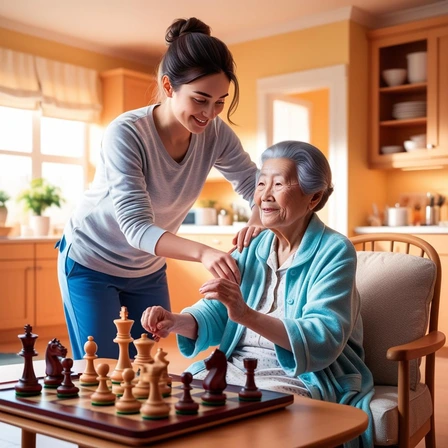
| Companionship and Social Interaction | Provides emotional support and reduces feelings of loneliness. |
| Housekeeping and Meal Preparation | Assists with cleaning, cooking, and maintaining a tidy living space. |
| Rehabilitation Services | Physical, occupational, and speech therapies to promote mobility and independence. |
| Transportation Services | Aids in getting to medical appointments and running errands. |
| Specialised Care | Includes palliative care services at home and dementia home care services. |
| Live-In Care | Offers round-the-clock assistance through live-in home care services. |
These categories ensure a comprehensive approach to addressing the diverse needs of elderly individuals. Families can explore various options, such as home care services for disabled elders, to find the most suitable care plan.
Assessing the Needs of the Elderly
Providing adequate home care services for elderly individuals requires a thorough assessment of their specific needs. This can ensure they receive appropriate support and maintain a good quality of life. The key areas to focus on are personal care assistance, medication management, and companionship.
Personal Care Assistance
Personal care assistance is a fundamental aspect of home care services for the elderly. This includes help with daily activities such as bathing, dressing, grooming, and toileting. Many elderly individuals struggle with these tasks due to mobility issues or health conditions, making personal care support essential for their well-being and dignity.
| Task | Assistance Required |
|---|---|
| Bathing | Moderate to full assistance |
| Dressing | Moderate assistance |
| Grooming | Light to moderate assistance |
| Toileting | Moderate to full assistance |
Personal care assistance can significantly enhance an elderly person’s independence and comfort in their own home. For more detailed information, consider exploring our article on live-in home care services.
Medication Management
Proper medication management is crucial for elderly individuals, especially those with chronic conditions. Errors in medication timing or dosage can lead to severe health consequences. Home care services often include assistance with medication organisation, reminders, and monitoring to prevent these issues.
| Issue | Potential Impact |
|---|---|
| Missing doses | Reduced treatment effectiveness |
| Incorrect dosage | Risk of overdose or underdose |
| Drug interactions | Adverse health effects |
Ensuring accurate medication management helps in maintaining the health and stability of elderly individuals. Learn more about this subject in our segment on palliative care services at home.
Companionship and Social Interaction
Isolation and loneliness can have detrimental effects on an elderly person’s mental and physical health. Companionship and social interaction are vital components of home care services, providing emotional support and reducing feelings of loneliness.
| Activity | Frequency |
|---|---|
| Conversation | Daily |
| Outings | Weekly |
| Hobby engagement | Several times a week |
| Family visits | Regularly |
Providing frequent opportunities for social interaction can vastly improve the quality of life for elderly individuals. For those caring for loved ones with cognitive conditions, you might find our dementia home care services article helpful.
Understanding these key areas and assessing the specific needs of elderly individuals aids in selecting the most suitable home care services. For further insights into specialised care, refer to our article on home care services for disabled.
Home Care Services for the Elderly
Hiring a Home Care Provider
Finding the right home care provider for an elderly family member involves thorough research, careful interviewing, and meticulous budgeting. Here is a step-by-step guide to assist in this important process in Southampton.
Researching Home Care Agencies
The first step in hiring a home care provider is to research various home care agencies. Look for agencies that specialise in home care services for elderly individuals. Evaluate their reputation, experience, and the range of services they offer. Local Southhampton directories and community forums can also provide valuable insights.
Factors to consider when researching:
- Certifications and Accreditations: Ensure the agency is certified and accredited by relevant health authorities.
- Range of Services: Check if they provide personal care, medication management, companionship, and more.
- Reviews and Testimonials: Read reviews from other families and look for testimonials on their website.
Interviewing Potential Caregivers
Once you’ve shortlisted potential home care agencies, the next step is to interview the caregivers they employ. This ensures they are a suitable match for your elderly loved one’s needs.
Consider the following questions during the interview:
- Experience and Training: Ask about the caregiver’s experience in providing home care services for elderly individuals, specifically those with similar needs.
- Qualifications: Verify their certifications and any special training they might have, especially in handling tasks like palliative care or dementia care.
- Availability: Confirm their availability and whether they can meet your scheduling requirements.
- Emergency Protocols: Understand their procedures in case of emergencies.
Budgeting for Home Care Services
Budgeting for home care services is essential to ensure you can afford the required care over time. Various factors influence the cost, including the level of care needed, the frequency of visits, and any specialised services required.
To help with budgeting, here’s a table summarising average costs for different home care services in Southampton:
| Type of Care Service | Average Cost per Hour (£) |
|---|---|
| Personal Care Assistance | 17 – 20 |
| Medication Management | 18 – 22 |
| Companionship Services | 15 – 18 |
| Specialised Care (e.g., Dementia) | 20 – 25 |
Be sure to discuss payment options and any potential additional costs with the agency. Check if they offer any flexible payment plans or if there are any insurance options that can help cover the costs.
By closely following these steps—researching, interviewing, and budgeting you can find the best possible home care provider for your elderly loved ones. For more detailed information on specific services like live-in home care or home care services for disabled individuals, explore our other articles.
Home Care Services for the Elderly
Monitoring and Evaluating Care
Regular monitoring and evaluation are essential to ensure that home care services for the elderly remain effective and of high quality. Family members should establish a routine to check on the well-being of their elderly loved ones. This can include weekly or monthly reviews where they assess the care provided by the home care professionals. These reviews should document any changes in health, mood, or general well-being.
| Evaluation Frequency | Type of Review | Key Focus Areas |
|---|---|---|
| Weekly | Quick Check | Overall Well-being, Hygiene |
| Monthly | Detailed Assessment | Health Changes, Medication Adherence |
| Quarterly | Comprehensive Review | Full Care Plan, Social Activities |
Adjusting Care Plans as Needed
It’s crucial to remain flexible and adjust care plans to meet the evolving needs of the elderly. Changes in health conditions, mobility, and cognitive abilities may necessitate modifications. Engaging with healthcare professionals to get recommendations on adjusting the care plan can be beneficial. Family members should regularly update the care plan to address any new requirements or concerns promptly.
For more information on personalised care, see our article on live-in home care services.
Communication with Care Providers
Effective communication with care providers is vital for ensuring quality care. Maintaining an open line of communication allows family members to be informed about any issues that may arise and address them promptly. Regular meetings or phone calls with the caregivers can help in keeping everyone on the same page. Keeping a communication log can be an effective strategy.
| Communication Method | Frequency | Purpose |
|---|---|---|
| Phone Calls | Weekly | Quick Updates |
| Meetings | Monthly | Detailed Discussions |
| Communication Log | Ongoing | Record Issues and Solutions |
For tips on addressing specific care needs, refer to our article on dementia home care services.
Emergency Protocols and Support
Having established emergency protocols is critical in home care services for elderly individuals. Family members should collaborate with care providers to create a detailed emergency plan that includes contacts, procedures, and necessary medical information. This plan should be easily accessible to both the elderly individual and their caregivers. Regular drills or reviews of the protocol can ensure everyone is prepared.
The plan should also encompass support systems in case of emergencies, including nearby hospitals and services like palliative care services at home.
Ensuring quality care for the elderly involves continuous monitoring, adjusting plans as needed, clear communication, and strong emergency protocols. By implementing these measures, family members can provide the best possible support for their elderly loved ones.

