
Fall Prevention Elderly Home Care
Fall Prevention Strategies for Elderly Receiving Home Care
Caring for elderly loved ones at home is both rewarding and challenging. Falls are one of the leading causes of injury and hospitalization among seniors, making prevention a top priority in home care. With the right strategies, it is possible to create a safe and supportive environment that minimizes risks while enhancing the quality of life for elderly individuals.
Understanding the Risks of Falls in Elderly Care
Falls are not only physically harmful but also emotionally distressing for seniors and their families. According to statistics, one in four elderly individuals over the age of 65 experiences a fall annually. Injuries such as fractures, head trauma, and long-term mobility issues are common outcomes.
Some factors that contribute to fall risks include:
- Physical health issues: Reduced muscle strength, balance problems, or chronic illnesses.
- Cognitive impairments: Conditions like dementia increase the likelihood of falls.
- Environmental hazards: Poor lighting, uneven surfaces, or cluttered spaces.
These challenges underline the importance of a proactive approach to fall prevention.
Creating a Safe Home Environment
Fall Prevention Elderly Home Care
The home environment is where many preventable falls occur. A thorough assessment can reveal potential hazards, allowing caregivers to make necessary adjustments.
1. Improve Lighting:
Bright and consistent lighting throughout the home, especially in hallways, staircases, and bathrooms, reduces the risk of missteps. Installing motion-sensor lights can add convenience and safety.
2. Eliminate Clutter:
Keeping floors clear of objects like shoes, cords, or rugs is essential. Regularly organize and declutter living spaces to ensure open pathways.
3. Add Safety Features:
Install handrails on staircases, grab bars in bathrooms, and non-slip mats in areas prone to moisture. These small additions significantly enhance stability and safety.
For more information on ensuring safety, read our detailed guide on Tools for Senior Caregivers.
Fall Prevention Elderly Home Care
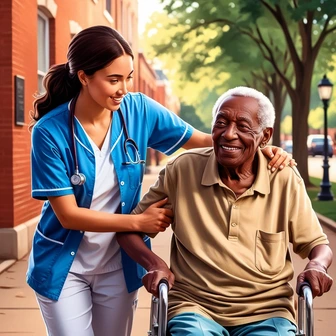
Home care providers play a critical role in fall prevention. With their expertise, they can assess risks, suggest modifications, and offer tailored care plans to meet individual needs.
Personalized Care Services:
From mobility assistance to regular exercise routines, caregivers provide the necessary support to maintain strength and flexibility. Explore our comprehensive Personal Care Services Southampton for insights.
Technology in Home Care:
Modern tools like fall-detection systems and wearable devices alert caregivers in case of emergencies. Learn more about innovative Technology in Home Care.
Promoting Physical Activity to Prevent Falls
Encouraging seniors to stay active is one of the most effective ways to prevent falls. Regular exercise improves balance, strength, and coordination.
1. Balance Training:
Activities like yoga or Tai Chi improve stability and reduce the likelihood of falls.
2. Strength-Building Exercises:
Simple routines using resistance bands or light weights can enhance muscle strength.
3. Supervised Walking Programs:
A caregiver can support seniors in walking daily, ensuring their safety while keeping them active.
If mobility concerns are significant, explore our guide on Respite Care Southampton, which details supportive care options for families.
Medication Management and Fall Prevention
Certain medications can cause dizziness, drowsiness, or balance issues, increasing fall risks. Proper medication management is crucial to ensure seniors remain safe.
Consult Healthcare Providers:
Regular consultations with doctors can help identify and adjust medications that may contribute to falls.
Home Care Assistance:
Caregivers can help monitor medication schedules, reducing the risk of adverse effects. For more on this, see our page on Medication Management for Seniors.
Emotional and Mental Well-being
Falls can lead to fear, anxiety, and reduced confidence in mobility. Emotional support is as important as physical care.
Building Confidence:
Caregivers and family members can encourage and reassure seniors, helping them regain confidence after a fall.
Companionship:
Having someone to talk to or assist with daily activities significantly reduces feelings of isolation and improves overall well-being. Discover how Companionship Care Southampton benefits seniors.
Fall Prevention Elderly Home Care
Integrating Professional Help into Home Care Plans
Professional home care services provide the expertise needed to maintain a safe and nurturing environment. Tailored care plans ensure that every aspect of a senior’s well-being is addressed, from physical safety to emotional support.
For families considering home care options, visit our page on Benefits of Home Care Services to understand the advantages of professional assistance.
Conclusion
Fall prevention is a vital aspect of caring for the elderly at home. By taking proactive steps, from improving the home environment to seeking professional help, families can ensure their loved ones remain safe and comfortable. The combined efforts of caregivers, family members, and innovative tools can make a significant difference in reducing risks and enhancing quality of life.
For comprehensive elderly care solutions in Southampton, explore Neva Care.
 Neva Care