Technology in Home Care
Technology in home care services
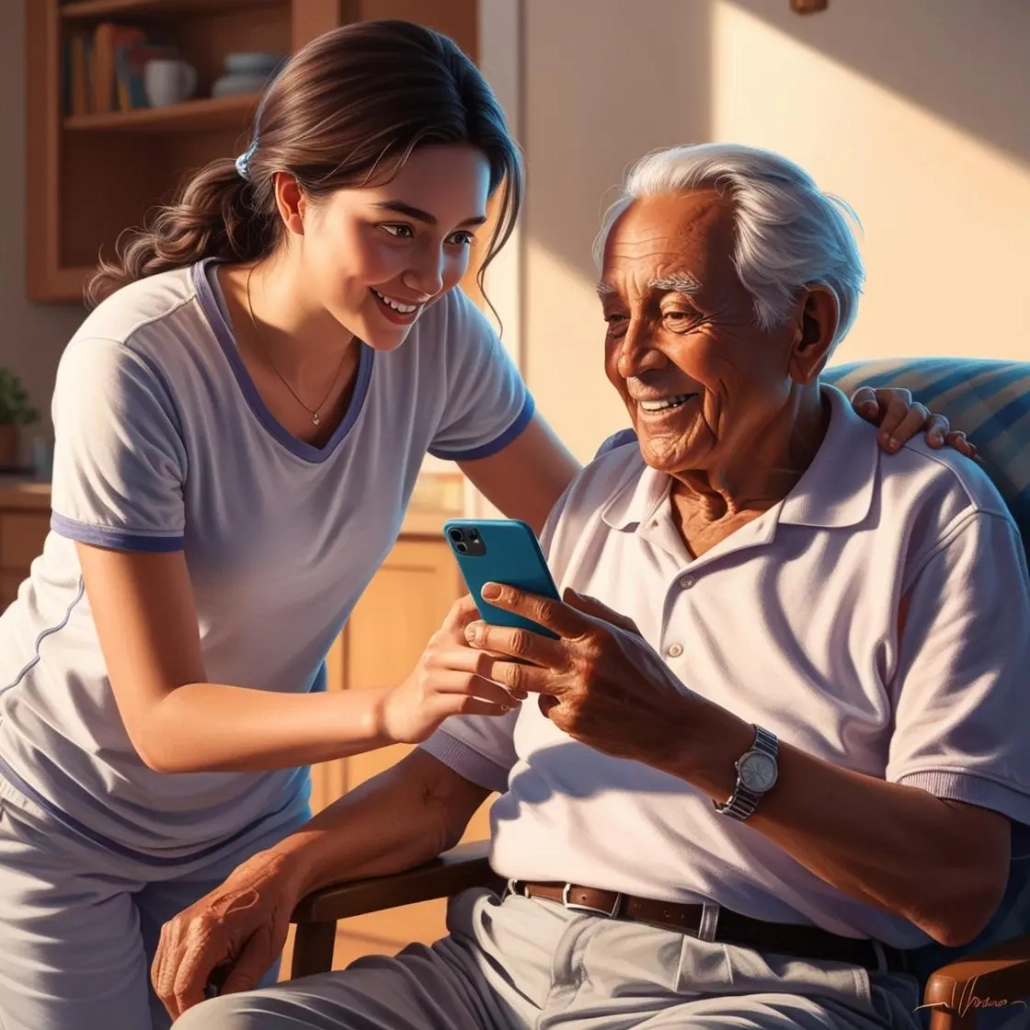
In our rapidly changing world, the integration of technology into everyday life is not just a trend; it’s a necessity, especially in the realm of home care. Many seniors prefer to remain in their own homes as they age, seeking the familiarity and comfort of their environment. However, the challenges associated with aging, such as managing chronic health conditions, ensuring safety, and maintaining social connections, can make this desire difficult to achieve. This is where technology in home care becomes a game-changer.
At Neva Care Southampton, we understand the importance of providing quality care that adapts to modern needs. By leveraging technology, we can enhance the lives of our clients, making it easier for them to live independently while ensuring their health and safety. In this article, we will delve into how technology is reshaping home care services, addressing common challenges, practical implementations, and the benefits of adopting these innovations.
Technology in home care
Technology’s Evolving Role in Home Care
The evolution of technology in home care is remarkable. Initially, home care revolved around in-person visits and basic support services. However, as technology has advanced, so has its application in enhancing home care. Historical innovations such as medical alert systems have paved the way for today’s sophisticated solutions, including smart home devices, remote monitoring systems, and telehealth services.
According to a recent study by the National Institute on Aging, nearly 85% of older adults prefer to age in place, emphasizing the need for innovative home care solutions. The relevance of technology in this sector is growing, with market research projecting the home healthcare technology market to reach over $390 billion by 2024. This growth signifies a shift toward embracing technological advancements to enhance patient care and support systems.
Technology in-home care services
The Challenge of Safe, Independent Aging
Aging often brings with it a host of challenges, including physical limitations, cognitive decline, and chronic health issues. For many seniors, maintaining independence can be daunting. Caregivers face the dual challenge of ensuring safety while respecting the autonomy of their loved ones. Traditional home care methods, while effective, can be insufficient for addressing all the nuances of modern aging.
Embracing Home Care Technology
Technology provides various solutions that enhance safety and support for seniors. For instance, wearable devices like smartwatches can monitor heart rates, alert caregivers to falls, and track physical activity. Similarly, remote monitoring systems enable real-time health tracking, allowing caregivers to respond swiftly to changes in a senior’s condition.
Neva Care Southampton integrates these technologies into our services to provide comprehensive support. By utilising smart health monitoring devices, caregivers can ensure seniors receive timely interventions, reducing the likelihood of emergencies. For more insights on how technology can enhance care, visit our section on personal care services.
Integrating Technology into Everyday Home Care
Implementing technology in home care requires careful planning and execution. Here’s a step-by-step guide to effectively integrating these innovations:
- Assess Individual Needs
Begin by evaluating the specific needs and preferences of the senior. Consider factors such as mobility, health conditions, and comfort levels with technology. - Choose Appropriate Technologies
Select tools that align with the assessed needs. Options may include:- Health Monitoring Systems: Devices that track vital signs and can alert caregivers to any abnormalities.
- Emergency Response Systems: Systems that allow seniors to alert caregivers in emergencies with the push of a button.
- Medication Management Tools: Apps or devices that remind seniors when to take their medications.
- Establish Clear Usage Protocols
Ensure that both seniors and their caregivers understand how to use the technology effectively. Provide demonstrations and written instructions to facilitate learning. - Regular Check-ins and Maintenance
Schedule regular check-ins to monitor the effectiveness of the technology and make adjustments as necessary. This could involve updating software or ensuring devices are functioning correctly. - Incorporate Feedback
Encourage feedback from seniors and caregivers on their experiences with the technology. Use this feedback to make further improvements and adjustments.
By following these steps, caregivers can seamlessly integrate technology into their home care practices, enhancing the overall quality of care.
How Technology Enhances Care Quality and Well-being
The integration of technology in home care presents numerous benefits, both immediate and long-term:
- Increased Independence and Safety
With monitoring devices and alert systems, seniors can maintain their independence while ensuring help is available when needed. This balance fosters a sense of security for both seniors and their families. - Improved Health Outcomes
Consistent monitoring allows for early detection of potential health issues, leading to timely interventions and better overall health management. According to the Journal of Aging and Health, seniors using technology for health management report a 30% increase in health stability. - Enhanced Emotional and Social Health
Technology helps combat loneliness by facilitating virtual connections with family and friends. Many seniors can now participate in video calls or join online community groups, enhancing their social interactions and emotional well-being. Explore our insights on dementia care at home for tailored solutions. - Cost-Effectiveness
While there may be an initial investment in technology, the long-term savings can be significant. Reducing hospital visits and improving health outcomes can lower overall healthcare costs.
Success Metrics
At Neva Care Southampton, we measure success through client satisfaction and improved health outcomes. In recent case studies, families utilizing technology-driven care solutions reported a 40% reduction in emergency room visits and a notable improvement in medication adherence. These metrics demonstrate the tangible benefits of integrating technology into home care services.
Expert Tips and Recommendations
Getting the Most Out of Home Care Technology
- Stay Updated on Innovations
Technology is continually evolving. Regularly explore new tools and resources to stay informed about the latest advancements in home care technology. - Personalize Technology Choices
Tailoring technology to meet individual needs enhances usability and effectiveness. Avoid one-size-fits-all solutions; instead, customize tools for each senior’s unique situation. - Leverage Available Resources
Utilize local resources, such as support groups and educational materials, to enhance understanding and implementation of technology. Our blog on the benefits of home care services offers valuable insights. - Maintain Human Connection
While technology enhances care, it should complement, not replace, human interaction. Encourage regular visits from family members or caregivers to foster emotional well-being. - Evaluate and Adapt
Periodically reassess the technology in use. Make adjustments based on feedback and changes in the senior’s condition to ensure continued effectiveness.
Contact Us
As we navigate an increasingly digital world, the role of technology in home care becomes more critical than ever. Technology in home care not only enhances the quality of life for seniors but also provides invaluable support to caregivers. At Neva Care Southampton, we are dedicated to integrating these innovative solutions into our services, ensuring our clients receive the highest standard of care.
If you’re looking to explore how technology can benefit your loved one, discover our full range of services and see how we can help you create a safe and supportive environment for aging in place.