
Home Healthcare Solutions
Empowering Families: Next-Level Home Healthcare Solutions We Swear By
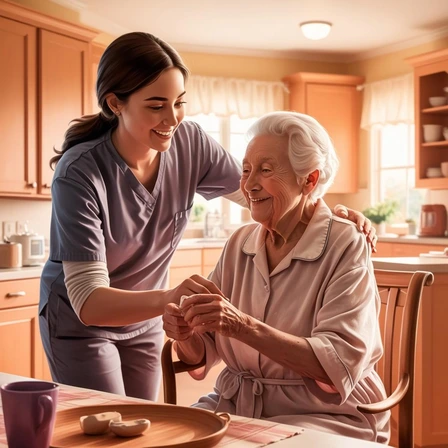
Home healthcare solutions have become a vital component in supporting individuals who need assistance due to age or health conditions. We recognise the significance of these services in enhancing the quality of life for both patients and their families.

Importance of Home Healthcare
Home healthcare provides a personalised approach to care that allows individuals to remain in the comfort of their own homes. This type of care can lead to better health outcomes, reduced hospital readmissions, and increased satisfaction for patients. Some essential benefits include:
| Benefit | Description |
|---|---|
| Independence | Patients retain control over their care in a familiar environment. |
| Customised Care | Services can be tailored to meet individual needs. |
| Cost-Effective | Often more affordable than hospital stays or long-term care facilities. |
| Family Engagement | Families can be more involved in the care process. |
Types of Home Healthcare Services Available
We have observed various services available within home healthcare to meet the diverse needs of individuals. These services can be broadly categorised as follows:
| Service Type | Description |
|---|---|
| Skilled Nursing Services | Licensed nurses provide medical care, monitor health conditions, and administer medications. |
| Rehabilitation Services | Includes physical, occupational, and speech therapy to aid recovery after illness or surgery. |
| Personal Care Services | Assistance with daily living activities, such as bathing, dressing, and meal preparation. |
| Companionship Care | Emotional support and companionship for those needing social interaction. |
| Palliative and End-of-Life Care | Comfort and support for individuals facing serious illnesses or end-of-life transitions. |
| Respite Care | Temporary relief for primary caregivers, allowing them to rest while their loved ones receive care. |
By understanding the importance of home healthcare solutions and the range of services available, we can make informed decisions that cater to the specific needs of our family members.
Personalised Care Plans
Creating personalised care plans is essential to ensure that our loved ones receive the best support tailored to their individual needs. By assessing these needs and developing customised care strategies, we can enhance the quality of home healthcare solutions.
Assessing Your Needs
The first stage in creating a personalised care plan involves a comprehensive assessment of the individual’s requirements. This assessment considers various factors including medical history, daily living activities, and emotional support needs. The assessment typically includes:
| Assessment Factor | Description |
|---|---|
| Medical History | Reviewing past and current medical conditions |
| Daily Living Activities | Evaluating the ability to perform self-care tasks |
| Emotional Status | Understanding mental health and emotional support needs |
| Social Environment | Exploring family dynamics and social interactions |
This thorough evaluation allows us to identify specific areas where support is needed, ensuring that every aspect of the individual’s well-being is accounted for.
Developing Tailored Care Plans
After we assess the needs, we proceed to create tailored care plans that address those unique requirements. These plans aim to provide a structured approach to care, ensuring all necessary services are incorporated. A typical care plan might include:
| Plan Component | Description |
|---|---|
| Healthcare Services | Types of medical or nursing care required |
| Frequency of Visits | How often services will be provided (daily, weekly, etc.) |
| Caregiver Responsibilities | Outline of the tasks caregivers will perform |
| Goals of Care | Specific objectives to achieve with the care plan |
Each element of the care plan is designed to be flexible, allowing adjustments as needs change over time. These personalised strategies not only support physical health but also enhance overall quality of life for those receiving care.
Skilled Nursing Care
Skilled nursing care is a vital component of home healthcare solutions that we can rely on to support our families. This type of care is provided by trained and licensed professionals, ensuring that our loved ones receive the highest standards of medical support in the comfort of their own homes.
Qualified Nursing Services
Qualified nursing services encompass a range of medical support tailored to meet specific health needs. These services are delivered by registered nurses (RNs) and licensed practical nurses (LPNs), who are equipped to carry out various functions.
| Service Type | Description |
|---|---|
| Medication Management | Administration and monitoring of medications |
| Wound Care | Dressing changes and wound assessments |
| IV Therapy | Administration of intravenous medications |
| Chronic Disease Management | Monitoring conditions like diabetes or heart disease |
| Post-operative Care | Support following surgical procedures |
Medical Procedures and Monitoring
In addition to nursing services, skilled nursing care includes medical procedures and ongoing monitoring of health conditions. This ensures our loved ones are safely managing their medical needs at home.
| Procedure Type | Frequency | Key Responsibilities |
|---|---|---|
| Vital Signs Monitoring | Daily or as prescribed | Checking temperature, pulse, blood pressure |
| Lab Draws | As needed | Collecting samples for lab testing |
| Catheter Care | Daily or as required | Maintenance and management of urinary catheters |
| Patient Assessments | Regular intervals | Evaluating overall health status |
| Telehealth Consultations | As needed or scheduled | Virtual appointments with healthcare providers |
With skilled nursing care, we can ensure that our family members have access to essential health services designed to meet their unique needs, enhancing their quality of life while allowing them to remain in their familiar surroundings.
Rehabilitation Services
Rehabilitation services play a vital role in our home healthcare solutions, assisting individuals in regaining their independence and improving their quality of life. We offer various types of rehabilitation services, including physical therapy, occupational therapy, and speech therapy. Each type addresses specific challenges and rehabilitation goals.
Physical Therapy
Physical therapy is essential for those recovering from injuries, surgeries, or health conditions impacting mobility. Our qualified professionals work with individuals to improve strength, flexibility, and balance. Treatment plans are tailored to meet the unique needs of each person, focusing on personalised goals and outcomes.
| Aspect | Description |
|---|---|
| Goals | Restore mobility, alleviate pain, and improve physical function |
| Techniques | Exercises, manual therapy, modalities (e.g., heat, cold) |
| Frequency | Typically 1-3 sessions per week, depending on needs |
Occupational Therapy
Occupational therapy focuses on enabling individuals to perform daily activities and tasks safely and efficiently. We understand that regaining independence in everyday functions is crucial for emotional and physical well-being. Our occupational therapists assess needs and develop targeted strategies to increase functional abilities.
| Aspect | Description |
|---|---|
| Goals | Enhance independence in daily living activities |
| Techniques | Adaptive equipment, task modification, skill training |
| Frequency | Usually 1-2 sessions per week, adapting as progress is made |
Speech Therapy
Speech therapy addresses communication and swallowing difficulties. Whether due to a stroke, neurological disorder, or developmental delay, our speech-language pathologists provide personalised assessments and treatment plans. We focus on enhancing communication skills and safe swallowing techniques.
| Aspect | Description |
|---|---|
| Goals | Improve speech clarity, language comprehension, and swallowing safety |
| Techniques | Exercises, language activities, and assistive devices |
| Frequency | Often 1-2 sessions per week, adjusted based on individual progress |
Through our comprehensive rehabilitation services, we aim to empower our clients on their journey to recovery and independence. Each therapy type plays a significant role in enhancing the overall well-being of individuals as they navigate the challenges of rehabilitation in the comfort of their own homes.
Home Healthcare Solutions
Assistance with Activities of Daily Living (ADLs)
Assistance with activities of daily living is a fundamental aspect of home healthcare solutions. We recognise the importance of supporting individuals in performing essential tasks to maintain their independence and quality of life. This section focuses on three critical areas where our skilled caregivers can provide valuable support: meal preparation, personal hygiene support, and mobility assistance.
Meal Preparation
Proper nutrition is vital for overall health and well-being. Our caregivers assist with meal preparation to ensure individuals receive balanced and nutritious meals that cater to their dietary preferences and restrictions. This includes planning menus, grocery shopping, and preparing meals in a safe and hygienic manner.
| Meal Preparation Service | Description |
|---|---|
| Menu Planning | Tailoring meals based on dietary needs and preferences. |
| Grocery Shopping | Purchasing fresh ingredients and essential items. |
| Cooking | Preparing meals with consideration for nutritional balance. |
| Clean-Up | Ensuring the kitchen and dining area remain tidy and sanitary. |
Personal Hygiene Support
Maintaining personal hygiene is essential for health and self-esteem. We provide support for personal hygiene activities to help individuals feel their best. Our caregivers assist with bathing, grooming, dressing, and oral care, ensuring dignity and respect are upheld throughout the process.
| Personal Hygiene Support Service | Description |
|---|---|
| Bathing Assistance | Helping individuals with bathing and showering safely. |
| Grooming Support | Assisting with hair care, shaving, and skincare routines. |
| Dressing Assistance | Aiding in choosing appropriate clothing and dressing. |
| Oral Care | Supporting individuals with brushing teeth and mouth hygiene. |
Mobility Assistance
Mobility is an important factor in maintaining independence. Our caregivers are trained to offer support for individuals with mobility challenges. This includes assistance with transferring, walking, and using assistive devices to enhance safety and confidence while moving around the home.
| Mobility Assistance Service | Description |
|---|---|
| Transferring Support | Helping individuals move from bed to chair or wheelchair safely. |
| Walking Assistance | Providing support during walking to prevent falls. |
| Assistive Device Management | Aiding with walkers, canes, or other mobility aids. |
| Environmental Modification | Suggesting home adjustments to improve mobility and safety. |
By addressing these essential activities, we aim to empower individuals to live comfortably and independently at home. Our holistic approach to home healthcare solutions ensures that every aspect of daily living is supported with care and professionalism.
Companionship Care
Companionship care is an essential component of home healthcare solutions. It focuses on providing emotional support, social interaction, and engaging recreational activities for individuals who may be experiencing isolation or loneliness.
Emotional Support
Emotional support plays a vital role in maintaining mental health and well-being. Companionship care providers offer empathetic listening and understanding, helping individuals express their feelings and cope with challenges.
| Emotional Support Benefits | Description |
|---|---|
| Reduced Loneliness | Companionship can significantly decrease feelings of isolation. |
| Increased Confidence | Regular interaction fosters self-esteem and assurance. |
| Improved Mental Health | Emotional support can lead to a decrease in anxiety and depression. |
Social Interaction
Social interaction is crucial for individuals of all ages. Caregivers provide opportunities for meaningful social engagement, ensuring that individuals maintain connections with others. This interaction can take place through conversations, shared meals, and participation in community activities.
| Social Interaction Activities | Frequency |
|---|---|
| Visiting Family and Friends | Weekly |
| Attending Community Events | Monthly |
| Group Activities or Classes | Bi-Weekly |
Recreational Activities
Engaging in recreational activities contributes to a fulfilling lifestyle. Companionship care includes planning and participating in hobbies and interests that bring joy and a sense of purpose. Activities can range from arts and crafts to gardening, depending on the personal preferences of the individual receiving care.
| Recreational Activities | Benefits |
|---|---|
| Arts and Crafts | Encourages creativity and fine motor skills. |
| Gardening | Provides physical activity and connection to nature. |
| Board Games or Puzzles | Enhances cognitive skills and social interaction. |
By incorporating emotional support, social interaction, and recreational activities, companionship care enriches the lives of individuals receiving home healthcare solutions. This holistic approach addresses not only the physical needs but also the emotional and social well-being of those in our care.
Home Healthcare Solutions
Palliative and End-of-Life Care
Palliative and end-of-life care play a critical role in providing comfort and support to individuals facing serious illness. Our approach is centred on enhancing the quality of life for both patients and their families throughout this challenging time.
Comfort Care
Comfort care focuses on alleviating pain and managing symptoms for those with life-limiting diseases. This type of care prioritises the individual’s comfort, dignity, and overall well-being. Key components include:
| Component | Description |
|---|---|
| Pain Management | Implementing strategies to effectively control pain and discomfort. |
| Symptom Relief | Addressing symptoms such as nausea, shortness of breath, and anxiety. |
| Emotional Support | Offering counselling and support to both individuals and their families. |
| Spiritual Care | Respecting and addressing the spiritual needs of the patient. |
Comfort care can be provided at home, allowing loved ones to create a familiar and peaceful environment. Our team is trained to administer necessary medications and provide therapies designed to enhance comfort during this stage.
Respectful End-of-Life Support
Respectful end-of-life support ensures that individuals receive compassionate care as they approach the final stages of life. We foster an environment of dignity and respect, meeting both physical and emotional needs. Key aspects include:
| Aspect | Description |
|---|---|
| Family Involvement | Encouraging family participation in care decisions and support. |
| Personalised Care Plans | Crafting care plans that reflect the individual’s wishes and preferences. |
| Grief Support | Offering support to family members coping with loss and bereavement. |
| Holistic Approach | Addressing physical, emotional, and spiritual needs concurrently. |
Our commitment to respectful end-of-life support allows families to navigate this sensitive period with grace and compassion. We strive to provide an atmosphere of peace, ensuring that each individual’s final days are filled with dignity and respect.
Respite Care
Respite care provides valuable support for families caring for loved ones who require assistance. Understanding the significance of temporary relief is essential for maintaining the overall well-being of both caregivers and those in their care.
Temporary Relief for Family
Families often face the challenge of balancing their responsibilities while providing the needed care. Respite care serves as a solution by offering short-term relief. This service allows family members to take a break, recharge, or attend to personal matters, without feeling guilty about leaving their loved ones.
| Type of Respite Care | Duration | Benefits |
|---|---|---|
| In-home Respite | Hours to weeks | Familiar environment, personalised care |
| Facility-based Respite | Days to weeks | 24/7 support, social interaction with peers |
| Emergency Respite | 1-3 days | Immediate help during unforeseen circumstances |
Caregiver Support and Assistance
Caregiver support is an integral component of respite care. Professional caregivers can step in to provide assistance with daily activities, ensuring that the individual’s needs are met while the family takes a much-needed break.
| Support Services | Description |
|---|---|
| Personal Care | Assistance with bathing, dressing, and hygiene |
| Companionship | Engaging discussions, activities, and emotional support |
| Meal Preparation | Planning and preparing nutritious meals |
Through these services, respite care not only offers temporary relief but also gives families peace of mind, knowing that their loved ones are cared for in a safe and nurturing environment.

